



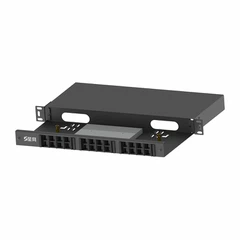

Hey there! As a module supplier, I've seen my fair share of issues with modules. It can be super frustrating when things don't work as they should, but don't worry—I'm here to walk you through how to troubleshoot those pesky module problems.
Understanding the Basics
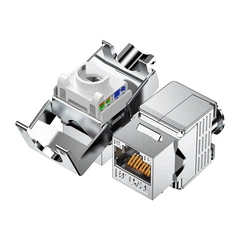
First off, it's important to know what kind of module you're dealing with. We've got different types, like the Category 5e Module, Category 3 Module, and Category 6 Module. Each type has its own unique features and uses, so understanding which one you have is the first step in troubleshooting.
Visual Inspection
The easiest way to start troubleshooting is by doing a visual inspection. Take a good look at the module. Check for any obvious signs of damage, like cracks, burns, or loose connections. Sometimes, a simple loose wire can cause all sorts of problems. If you see any physical damage, it might be time to replace the module.
Check the Connections
Next, make sure all the connections are secure. Loose or faulty connections are one of the most common causes of module issues. Check the cables going into and out of the module. Make sure they're plugged in all the way and that there are no signs of wear or tear on the cables themselves. If you're using connectors, check that they're properly seated and not corroded.
Power Supply
A lot of module problems can be traced back to the power supply. Check to make sure the module is getting the right amount of power. If it's a powered module, check the power cable and the power source. Make sure the power switch is turned on and that there are no issues with the electrical outlet. If you're using a battery-powered module, check the battery level and replace the batteries if necessary.


Software and Firmware
Sometimes, the problem isn't with the hardware at all—it's with the software or firmware. Check to see if there are any updates available for the module. Manufacturers often release updates to fix bugs and improve performance. Updating the software or firmware can sometimes solve a whole host of problems.
Diagnostic Tools
If you're still having trouble, it might be time to break out the diagnostic tools. There are a variety of tools available that can help you pinpoint the problem. For example, a network analyzer can be used to check the performance of a network module. An oscilloscope can be used to check the electrical signals in a module. These tools can be a bit technical, but they can provide valuable information.
Testing the Module
Once you've gone through all the above steps, it's time to test the module. If it's a network module, try connecting it to a different network or device to see if the problem persists. If it's a sensor module, test it in a different environment or with different inputs. By testing the module in different conditions, you can get a better idea of what's causing the problem.
Common Issues and Solutions
Let's take a look at some common module issues and how to solve them:
No Power
- Check the power source: Make sure the power cable is plugged in and the power switch is on.
- Check the fuse: If there's a fuse in the power supply, check to see if it's blown. Replace it if necessary.
- Check for power surges: A power surge can damage a module. If you suspect a power surge, use a surge protector.
Intermittent Connection
- Check the cables: Loose or damaged cables can cause intermittent connections. Replace any damaged cables.
- Check the connectors: Make sure the connectors are clean and properly seated. If they're corroded, clean them with a contact cleaner.
- Check for interference: Other electronic devices can cause interference. Try moving the module away from other devices.
Incorrect Readings
- Calibrate the module: Some modules need to be calibrated periodically. Refer to the manufacturer's instructions for calibration procedures.
- Check the environment: The environment can affect the readings of some modules. For example, temperature and humidity can affect the performance of a sensor module.
When to Seek Professional Help
If you've gone through all the troubleshooting steps and you're still unable to solve the problem, it might be time to seek professional help. A professional technician can have the expertise and tools to diagnose and fix more complex issues. You can also contact the manufacturer's support team for assistance.
Conclusion
Troubleshooting module issues can be a bit of a challenge, but by following these steps, you can often identify and solve the problem on your own. Remember to start with the basics, like visual inspection and checking the connections. If you're still having trouble, don't hesitate to use diagnostic tools or seek professional help.
If you're in the market for a new module or need more information about our products, feel free to reach out. We're here to help you find the right solution for your needs. Whether you're looking for a Category 5e Module, Category 3 Module, or Category 6 Module, we've got you covered. Let's have a chat and see how we can work together to meet your requirements.
References
- General knowledge and experience in module troubleshooting
- Manufacturer's documentation for various module types