


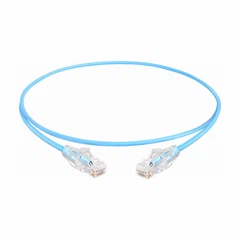

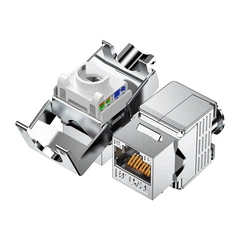
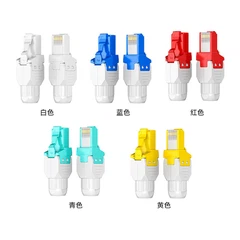


As an RJ45 connector supplier, ensuring the safety of RJ45 connectors in automotive use is of utmost importance. The automotive environment is harsh, with factors such as high temperatures, vibrations, moisture, and electromagnetic interference (EMI) posing significant challenges to the reliable operation of these connectors. In this blog, I will discuss the key aspects of ensuring the safety of RJ45 connectors in automotive applications.
Understanding the Automotive Environment
The automotive environment is characterized by extreme conditions that can affect the performance and safety of RJ45 connectors. High temperatures under the hood can cause the materials of the connector to expand and contract, leading to mechanical stress and potential damage. Vibrations from the engine and the movement of the vehicle can also cause loose connections, which may result in intermittent signal transmission or complete failure. Moisture and humidity can corrode the metal contacts of the connector, reducing conductivity and increasing the risk of electrical shorts. Additionally, electromagnetic interference from various electrical components in the vehicle can disrupt the signal integrity of the RJ45 connector.
Design Considerations for Automotive RJ45 Connectors
To ensure the safety of RJ45 connectors in automotive use, several design considerations must be taken into account.


Material Selection
The choice of materials is crucial for the performance and safety of automotive RJ45 connectors. High - quality plastics with excellent heat resistance and mechanical strength should be used for the connector housing. For example, polycarbonate or polyamide materials can withstand high temperatures and provide good protection against impact and vibration. The metal contacts should be made of materials with high conductivity and corrosion resistance, such as gold - plated copper alloys. Gold plating not only improves conductivity but also provides a protective layer against oxidation and corrosion.
Sealing and Waterproofing
To protect the connector from moisture and dust, proper sealing is essential. Automotive RJ45 connectors should be designed with gaskets or seals to prevent the ingress of water and contaminants. These seals can be made of rubber or silicone materials, which provide a tight and reliable seal. In addition, the connector housing should be designed to have a low - profile and smooth surface to reduce the accumulation of dirt and moisture.
Mechanical Durability
Automotive RJ45 connectors need to withstand repeated mating and unmating cycles, as well as vibrations and shocks. The connector should be designed with a robust locking mechanism to ensure a secure connection. For example, a bayonet - style or screw - type locking mechanism can prevent the connector from coming loose due to vibrations. The contacts should also be designed to have a high contact force to ensure good electrical conductivity and prevent intermittent connections.
EMI Shielding
Electromagnetic interference can cause signal degradation and data loss in RJ45 connectors. To mitigate this issue, automotive RJ45 connectors should be equipped with EMI shielding. The shielding can be in the form of a metal shell or a conductive coating on the connector housing. The shielding helps to block external electromagnetic fields and prevent interference from affecting the signal transmission.
Testing and Certification
To ensure the safety and reliability of automotive RJ45 connectors, rigorous testing and certification are necessary.
Environmental Testing
Automotive RJ45 connectors should be tested under various environmental conditions, including high and low temperatures, humidity, and vibration. For example, the connectors can be subjected to temperature cycling tests, where they are exposed to a range of temperatures from - 40°C to 125°C to simulate the extreme temperature conditions in the automotive environment. Humidity tests can be conducted to evaluate the connector's resistance to moisture. Vibration tests can be used to ensure that the connector can withstand the vibrations generated by the vehicle.
Electrical Testing
Electrical testing is also essential to ensure the proper functioning of the RJ45 connector. Tests such as continuity testing, insulation resistance testing, and signal integrity testing can be performed to verify the electrical performance of the connector. These tests help to detect any potential electrical issues, such as short circuits, open circuits, or signal attenuation.
Certification
Automotive RJ45 connectors should comply with relevant industry standards and certifications. For example, the connectors should meet the requirements of the International Organization for Standardization (ISO) and the Society of Automotive Engineers (SAE). These standards ensure that the connectors are designed and manufactured to meet the high - quality and safety requirements of the automotive industry.
Installation and Maintenance
Proper installation and maintenance are also important for ensuring the safety of RJ45 connectors in automotive use.
Installation
During the installation process, it is important to follow the manufacturer's instructions carefully. The connectors should be installed in a clean and dry environment to prevent the ingress of dirt and moisture. The cables should be properly routed and secured to avoid any stress on the connector. In addition, the connectors should be mated and unmated carefully to prevent damage to the contacts.
Maintenance
Regular maintenance of the RJ45 connectors is necessary to ensure their long - term performance and safety. The connectors should be inspected periodically for any signs of damage, such as corrosion, loose connections, or physical wear. If any issues are detected, the connectors should be repaired or replaced immediately.
Conclusion
Ensuring the safety of RJ45 connectors in automotive use requires a comprehensive approach that includes proper design, testing, installation, and maintenance. As an RJ45 connector supplier, we are committed to providing high - quality connectors that meet the strict safety and performance requirements of the automotive industry. Our RJ45 Connector and Modular RJ45 Plug are designed with the latest technology and materials to ensure reliable operation in the harsh automotive environment.
If you are interested in purchasing our automotive RJ45 connectors or have any questions about their safety and performance, please feel free to contact us for further discussion and procurement. We look forward to working with you to meet your automotive connectivity needs.
References
- ISO standards for automotive electrical connectors
- SAE standards for automotive components
- Technical literature on RJ45 connector design and testing