



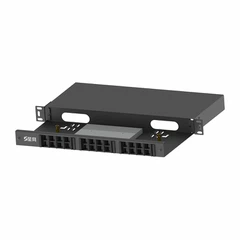

Hey there! As a supplier of Floor Socket Panels, I often get asked about voltage compatibility. It's a crucial aspect that can make or break the functionality of these panels in different settings. So, let's dive right into what voltage compatibility of a floor socket panel really means.
Understanding Voltage Basics
First off, voltage is the electrical force that pushes electric current through a circuit. Different regions around the world have different standard voltages. For instance, in the United States and Canada, the standard voltage for household electrical outlets is around 120V, while in many European countries, it's 230V.
When it comes to floor socket panels, they need to be compatible with the voltage of the electrical system they're going to be connected to. If a panel is designed for a specific voltage and is used in an environment with a different voltage, it can lead to all sorts of problems. For example, if you use a 120V floor socket panel in a 230V electrical system, it could overheat, cause damage to the panel, and even pose a safety hazard.
Voltage Compatibility Factors
There are several factors that determine the voltage compatibility of a floor socket panel.
Manufacturer Specifications
The first thing to look at is the manufacturer's specifications. Every floor socket panel comes with a label or documentation that states the voltage range it can handle. This is the most reliable source of information. For example, some panels are designed to be dual-voltage, which means they can work with both 120V and 230V systems. These are great for international use or in buildings where different voltage requirements might exist.
Electrical Components
The internal electrical components of the floor socket panel also play a big role in voltage compatibility. Components like switches, sockets, and wiring need to be able to withstand the voltage they'll be exposed to. High-quality components are more likely to handle a wider range of voltages without issues. For instance, a panel with thick and well-insulated wiring is better equipped to handle higher voltages safely.
Safety Features
A good floor socket panel should have built-in safety features to protect against voltage fluctuations. Surge protectors are a common safety feature. They can prevent damage to connected devices by diverting excess voltage away from the panel. Overcurrent protection is another important feature. It shuts off the power if the current exceeds a safe level, which can happen if there's a voltage spike.
Choosing the Right Voltage Compatibility
When choosing a floor socket panel, you need to consider the specific voltage requirements of your location. If you're in a country with a 120V electrical system, you'll want a panel that's designed for 120V. Similarly, if you're in a 230V region, a 230V-compatible panel is the way to go.
But what if you're in a situation where you might need to use the panel in different voltage environments? That's where dual-voltage or multi-voltage panels come in handy. These panels can be adjusted to work with different voltages, making them more versatile.


Applications and Voltage Compatibility
Floor socket panels are used in a variety of settings, and each setting has its own voltage requirements.
Residential Use
In homes, the voltage is usually standardized according to the local electrical grid. In most cases, a single-voltage panel that matches the local voltage is sufficient. For example, in a US home, a 120V floor socket panel would be the norm. However, if you have imported appliances or electronics that require a different voltage, you might need to consider a dual-voltage panel.
Commercial Use
Commercial buildings often have more complex electrical systems. They might have different voltage requirements for different areas, such as offices, conference rooms, and break areas. In these cases, multi-voltage floor socket panels can be a great solution. They can provide flexibility and ensure that all devices can be powered safely.
Industrial Use
Industrial settings typically have higher voltage requirements. Floor socket panels used in industrial environments need to be able to handle these higher voltages and be durable enough to withstand the rigors of the industrial setting. They also need to have additional safety features to protect against electrical hazards.
Our Floor Socket Panels
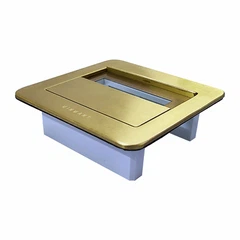
As a supplier of Floor Socket Panel, we offer a wide range of products with different voltage compatibilities. Our panels are designed with high-quality components and built-in safety features to ensure reliable performance. Whether you need a single-voltage panel for a residential application or a multi-voltage panel for a commercial or industrial setting, we've got you covered.
We also offer other related products like Fiber Optic Patch Panel and Network Faceplate to meet all your electrical and networking needs.
Contact Us for Purchase
If you're interested in purchasing our floor socket panels or any of our other products, we'd love to hear from you. Our team of experts can help you choose the right product based on your specific voltage requirements and application. Don't hesitate to reach out and start a conversation about how we can meet your needs.
References
- Electrical Engineering Handbook, various editions
- National Electrical Codes and Standards
So, that's a rundown of what voltage compatibility of a floor socket panel is all about. I hope this information helps you make an informed decision when choosing a floor socket panel for your needs.