



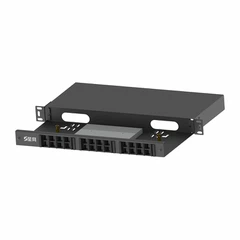


What This Product Is
The Cat6 Patch Panel is a 19-inch rack-mount patch panel. It is 1U high and has 24 RJ45 ports. It looks similar to a Cat5e patch panel outside. But the PCB layout and crosstalk suppression are different. This product uses an optimized PCB design. Near-end crosstalk at 250MHz is over 3dB better than TIA minimum. This margin matters when many ports run high-speed data at the same time. It is a practical choice for Gigabit network rooms.
Where It Fits
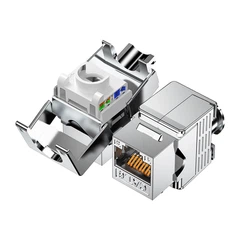
Buyers first check the network speed and cabinet standard. This Cat6 Patch Panel fits enterprise Gigabit network room standardized patching. It fits data center access layer aggregation connections. It fits commercial office structured cabling distribution ends. It fits hospital and school medium network equipment room patching. It also fits fixed patching of Gigabit links in 19-inch cabinets. This product works with standard RJ45 plugs and Cat6 Keystone modules. The table below shows the main fit points.
|
Compatibility Item |
Details |
|
Product Type |
Cat6 unshielded patch panel |
|
Port Count |
24 ports, 1U |
|
Mounting Standard |
19-inch rack mount |
|
Height |
1U, 44.5mm |
|
Port Type |
RJ45 Keystone module position |
|
Contact Plating |
50μ" gold-plated 3-prong |
|
Plug Life |
≥750 times |
|
PCB Material |
FR-4 flame-retardant |
|
Termination |
110 punch-down, T568A/T568B |
|
Standard |
TIA/EIA-568-C.2, ISO/IEC 11801 Class E |
Technical Specifications
The Cat6 Patch Panel uses a specially optimized PCB layout. Near-end crosstalk at 250MHz is over 3dB better than TIA minimum. Each port uses 50μ" gold-plated 3-prong contacts. Plug life is over 750 times. Contact resistance is stable. The back supports T568A and T568B color codes. Installers follow the marks without checking tables. The housing uses one-piece stamped cold-rolled steel. It is strong and does not warp after installation. Port spacing meets standard requirements. Standard RJ45 plugs do not interfere with each other. The product passed independent performance tests across 250MHz. Tests cover insertion loss, return loss, near-end crosstalk, and far-end crosstalk. Test data is stored. The standard version is 24-port 1U unshielded. Shielded and 48-port 2U versions are available on request.
|
Parameter |
Specification |
|
Product Type |
Cat6 unshielded patch panel |
|
Port Count |
24 ports, 1U |
|
Mounting Standard |
19-inch rack mount |
|
Height |
1U, 44.5mm |
|
Port Type |
RJ45 Keystone module position |
|
Contact Plating |
50μ" gold-plated 3-prong |
|
Plug Life |
≥750 times |
|
PCB Material |
FR-4 flame-retardant |
|
Termination |
110 punch-down, T568A/T568B |
|
Standard |
TIA/EIA-568-C.2, ISO/IEC 11801 Class E |
|
Rear Cable Management |
Cable manager included |
|
Color |
Black |
How to Choose the Right Model
Buyers often need shield and port count options for the Cat6 Patch Panel. We offer a shielded version with grounding terminals and a grounding bar. Port counts include 12, 24, and 48. Colors include black and gray. The label area can print port numbers or your brand. This product is a good choice for Gigabit network rooms. Samples ship in 7 working days. Bulk orders take 7 to 10 working days.
Quality Testing and OEM Support
We test each product across 250MHz before shipment. The product meets TIA/EIA-568-C.2 and ISO/IEC 11801 Class E. Tests cover insertion loss, return loss, near-end crosstalk, and far-end crosstalk. Test data is stored. For OEM orders, you can customize port count, shield version, color, label print, and packaging. If you need a quote, send us your port count, shield need, color, and order quantity.
FAQ
Q1: Cat6 Patch Panel and Cat5e patch panel look similar. Where is the performance difference?
A1: They look similar outside, but the inside is different. The Cat6 PCB layout has stricter crosstalk suppression. Port isolation is higher. Near-end crosstalk at 250MHz is clearly better than Cat5e. If the cable is Cat6, the patch panel must also be Cat6. Otherwise port crosstalk becomes the bottleneck of the whole link.
Q2: Should I choose 24-port or 48-port patch panel?
A2: It depends on cabinet space and cable management needs. A 24-port 1U panel takes 1U height and leaves more cable space. It suits scenes with high patch cord density. A 48-port 2U panel gives double ports in the same cabinet height. But rear cable density also increases. If cabinet space is tight and the team is experienced, 48-port is a good choice.