



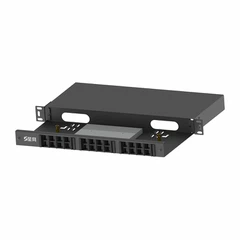

Can a blank patch panel be used in a lighting control network? That's a question I've been getting a lot lately, and as a supplier of blank patch panels, I'm more than happy to dive into this topic.
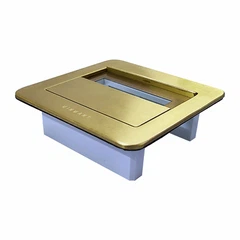
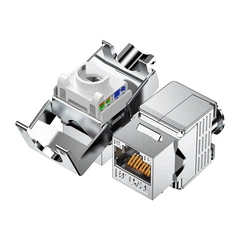
First off, let's talk about what a blank patch panel is. It's basically a panel with a bunch of ports that are ready to be connected to different cables. These panels are super versatile and can be used in all sorts of networking setups. They come in different categories, like Category 6 Patch Panel, Category 3 Patch Panel, and Category 5e Patch Panel. Each category has its own set of features and is suitable for different types of applications.
Now, let's get to the main question: Can a blank patch panel be used in a lighting control network? The answer is yes, and here's why.
Flexibility and Scalability
One of the biggest advantages of using a blank patch panel in a lighting control network is its flexibility. Lighting control systems can be pretty complex, with different types of lights, sensors, and controllers. A blank patch panel allows you to easily connect and re - arrange these components as needed. You can add or remove devices without having to do a major overhaul of the entire network.
For example, let's say you have a large office building with a lighting control network. As the company grows and the layout of the office changes, you might need to add more lights or move some sensors around. With a blank patch panel, you can simply plug in the new devices and make the necessary connections. This scalability is crucial for any lighting control network, especially in commercial settings where changes are common.
Organization
Another benefit is organization. In a lighting control network, there are often a lot of cables running around. A blank patch panel helps to keep these cables organized. You can label each port on the panel, making it easy to identify which cable is connected to which device. This not only makes it easier to install and maintain the network but also reduces the risk of errors.
Imagine trying to troubleshoot a lighting problem in a network where the cables are all jumbled up. It would be a nightmare! But with a well - organized patch panel, you can quickly trace the cables and find the source of the problem.
Compatibility
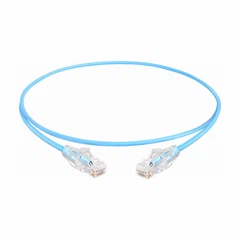
Blank patch panels are designed to be compatible with a wide range of cables and devices. Most lighting control systems use standard Ethernet cables, which can be easily connected to a patch panel. Whether you're using a Category 6 cable for high - speed data transfer or a Category 3 cable for basic connections, a blank patch panel can handle it.
This compatibility also extends to different types of lighting control devices. You can connect dimmers, switches, and sensors to the patch panel, creating a unified network. This makes it easier to manage and control the lighting system as a whole.
Cost - Effectiveness
Using a blank patch panel can also be cost - effective. Instead of buying a pre - configured panel with specific ports and connections, you can customize a blank panel to meet your exact needs. This means you only pay for the ports and features that you actually need.
In addition, the flexibility and scalability of a blank patch panel mean that you won't have to replace the entire panel every time you make changes to the lighting control network. This can save you a lot of money in the long run.
Considerations
Of course, there are a few things to consider when using a blank patch panel in a lighting control network.
Signal Integrity
Lighting control systems often rely on accurate and reliable signals. When using a patch panel, you need to make sure that the connections are properly made to maintain signal integrity. Poorly connected cables can lead to signal loss or interference, which can affect the performance of the lighting control system.


Power Requirements
Some lighting control devices may require power to operate. You need to ensure that the patch panel and the connected cables can handle the power requirements of these devices. This may involve using power - over - Ethernet (PoE) technology or providing separate power sources.
Environmental Conditions
The environment where the lighting control network is installed can also affect the performance of the patch panel. For example, if the area is prone to dust, moisture, or extreme temperatures, you need to choose a patch panel that is designed to withstand these conditions.
In conclusion, a blank patch panel can definitely be used in a lighting control network. It offers flexibility, organization, compatibility, and cost - effectiveness. However, you need to consider factors like signal integrity, power requirements, and environmental conditions to ensure that the network operates smoothly.
If you're interested in using a blank patch panel for your lighting control network, I'd love to have a chat with you. We can discuss your specific needs and find the best solution for your project. Don't hesitate to reach out and start a conversation about how our blank patch panels can benefit your lighting control network.
References
- General knowledge of networking and lighting control systems
- Industry standards for patch panels and Ethernet cables