





Hey there! As a supplier of SC Fiber Pigtails, I often get asked if these nifty little components can be used in medical fiber - optic devices. Well, let's dive right into this topic and find out.
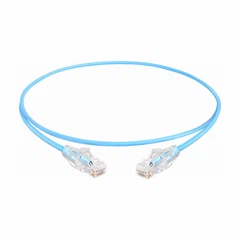
First off, what exactly is an SC Fiber Pigtail? It's a single - fiber cable with an SC connector pre - installed at one end. The SC connector, short for Subscriber Connector, is a popular choice in the fiber - optic world because of its easy - to - use push - pull mechanism and reliable performance. You can learn more about them on our SC Fiber Pigtail page.
Medical fiber - optic devices are used in a wide range of applications, from endoscopes that help doctors look inside the human body to laser - based surgical tools. These devices require high - quality fiber - optic components to ensure accurate and safe operation.
So, can an SC Fiber Pigtail be used in a medical fiber - optic device? The answer is yes, but with some important considerations.
Advantages of Using SC Fiber Pigtails in Medical Devices
1. Ease of Use
The push - pull design of the SC connector makes it super easy to connect and disconnect. In a medical setting, where time is often of the essence, this quick and simple connection can be a real game - changer. For example, during a surgical procedure, a doctor might need to quickly swap out a fiber - optic component. The SC connector allows for fast and hassle - free replacement.
2. Low Insertion Loss
Insertion loss is a measure of how much signal is lost when a connector is inserted. SC Fiber Pigtails typically have low insertion loss, which means that the signal transmitted through the fiber remains strong and clear. In medical applications, where accurate data transmission is crucial, low insertion loss is a must. For instance, in an endoscope, a clear signal ensures that the doctor can see the internal organs clearly.
3. High Reliability
Medical devices need to be reliable. SC Fiber Pigtails are known for their durability and stability. They can withstand repeated insertions and removals without significant degradation in performance. This reliability is essential in a medical environment, where any failure could have serious consequences.
Challenges and Considerations
1. Sterilization
Medical devices need to be sterilized to prevent the spread of infections. SC Fiber Pigtails need to be able to withstand the sterilization process without damage. Some sterilization methods, such as autoclaving, use high temperatures and pressure, which can potentially damage the fiber and the connector. However, there are now fiber - optic components designed to be compatible with common sterilization methods.


2. Biocompatibility
Since medical devices come into contact with the human body, the materials used in the fiber pigtail need to be biocompatible. This means that they should not cause any adverse reactions when in contact with tissues or fluids. Manufacturers need to ensure that the materials used in the SC Fiber Pigtail meet the necessary biocompatibility standards.
3. Signal Integrity in Harsh Environments
Medical procedures can take place in various environments, some of which can be quite harsh. For example, during a surgical procedure, there might be electromagnetic interference or vibrations. SC Fiber Pigtails need to be able to maintain signal integrity in these challenging conditions.
Comparison with Other Fiber Pigtails
There are other types of fiber pigtails available, such as FC Fiber Pigtail and LC Fiber Pigtail. Each type has its own advantages and disadvantages.
FC Fiber Pigtails use a screw - on connector, which provides a very secure connection. However, the screw - on mechanism can be time - consuming to use, especially in a medical setting where quick connections are needed.
LC Fiber Pigtails have a smaller form factor and are often used in high - density applications. They also have low insertion loss, but their small size can make them more delicate and prone to damage.
In comparison, SC Fiber Pigtails offer a good balance between ease of use, reliability, and performance. They are a popular choice for many medical fiber - optic applications.
Our SC Fiber Pigtails for Medical Use
At our company, we understand the unique requirements of medical fiber - optic devices. Our SC Fiber Pigtails are designed to meet the highest standards of quality and performance.
We use high - quality materials that are biocompatible and can withstand common sterilization methods. Our manufacturing process ensures low insertion loss and high reliability. We also offer custom - made SC Fiber Pigtails to meet the specific needs of different medical applications.
If you're in the market for SC Fiber Pigtails for your medical fiber - optic devices, we'd love to have a chat with you. Whether you need a small quantity for a research project or a large order for a medical device manufacturer, we can provide the right solution for you.
Conclusion
In conclusion, SC Fiber Pigtails can definitely be used in medical fiber - optic devices. They offer many advantages, such as ease of use, low insertion loss, and high reliability. However, there are also some challenges that need to be addressed, such as sterilization and biocompatibility.
If you're interested in learning more about our SC Fiber Pigtails or have any questions about using them in your medical devices, don't hesitate to reach out. We're here to help you find the best fiber - optic solution for your needs.
References
- Fiber Optic Association. (2023). Fiber Optic Basics.
- Medical Device and Diagnostic Industry. (2023). Advances in Medical Fiber - Optic Technology.