



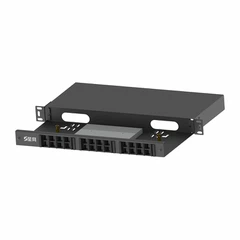

As a supplier of LC Fiber Pigtails, I've seen firsthand the challenges that come with controlling jitter in these components. Jitter can significantly impact the performance of fiber optic networks, leading to signal degradation and potential data loss. In this blog, I'll share some practical tips on how to control the jitter of LC Fiber Pigtails.
Understanding Jitter in LC Fiber Pigtails
Before we dive into the solutions, let's first understand what jitter is and why it's a problem in LC Fiber Pigtails. Jitter refers to the variation in the timing of a signal. In fiber optic communication, jitter can cause the data to arrive at the receiver at the wrong time, leading to errors in data transmission.
There are several factors that can contribute to jitter in LC Fiber Pigtails. These include mechanical stress, temperature variations, and electrical interference. Mechanical stress can occur during installation or handling, causing the fiber to bend or twist. Temperature variations can affect the refractive index of the fiber, leading to changes in the signal's propagation speed. Electrical interference can come from nearby electrical devices, such as motors or power supplies.
Tips for Controlling Jitter
Now that we understand the causes of jitter, let's look at some practical tips for controlling it in LC Fiber Pigtails.
1. Proper Installation
One of the most important steps in controlling jitter is to ensure proper installation of the LC Fiber Pigtails. This includes using the correct tools and techniques to install the pigtails, as well as following the manufacturer's instructions. When installing the pigtails, make sure to avoid bending or twisting the fiber, as this can cause mechanical stress and lead to jitter.
2. Temperature Management
Temperature variations can have a significant impact on the performance of LC Fiber Pigtails. To control jitter, it's important to manage the temperature of the environment where the pigtails are installed. This can be done by using temperature-controlled enclosures or by installing the pigtails in areas with stable temperatures.
3. Electrical Isolation
Electrical interference can also cause jitter in LC Fiber Pigtails. To minimize this, it's important to isolate the pigtails from electrical sources. This can be done by using shielded cables or by installing the pigtails in areas away from electrical devices.


4. Quality Components
Using high-quality components is essential for controlling jitter in LC Fiber Pigtails. Make sure to choose pigtails that are made from high-quality materials and that are designed to meet the industry standards. This will help to ensure that the pigtails are reliable and that they will perform well over time.
5. Regular Maintenance
Regular maintenance is also important for controlling jitter in LC Fiber Pigtails. This includes inspecting the pigtails for damage or wear, as well as cleaning the connectors to ensure proper signal transmission. By performing regular maintenance, you can identify and address any issues before they become major problems.
Comparing LC Fiber Pigtails with Other Types
While LC Fiber Pigtails are a popular choice for fiber optic networks, there are other types of pigtails available, such as SC Fiber Pigtail, FC Fiber Pigtail, and ST Fiber Pigtail. Each type of pigtail has its own advantages and disadvantages, and the choice of pigtail will depend on the specific requirements of the network.
LC Fiber Pigtails are known for their small size and high performance. They are commonly used in applications where space is limited, such as in data centers and telecommunications networks. SC Fiber Pigtails, on the other hand, are known for their easy installation and high reliability. They are often used in applications where quick and easy connections are required, such as in LANs and WANs. FC Fiber Pigtails are known for their high precision and stability. They are commonly used in applications where high performance is required, such as in military and aerospace applications. ST Fiber Pigtails are known for their ruggedness and durability. They are often used in applications where the pigtails are exposed to harsh environments, such as in industrial and outdoor applications.
Conclusion
Controlling the jitter of LC Fiber Pigtails is essential for ensuring the reliable performance of fiber optic networks. By following the tips outlined in this blog, you can minimize the impact of jitter and ensure that your network operates at its best. If you're in the market for LC Fiber Pigtails or other fiber optic components, I encourage you to contact us to discuss your specific requirements. We're a leading supplier of high-quality fiber optic products, and we're committed to providing our customers with the best possible service and support.
References
- "Fiber Optic Communication Systems" by Govind P. Agrawal
- "Optical Fiber Technology: Research and Applications" by K. Thyagarajan and A. K. Ghatak