



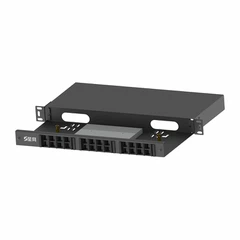

As a supplier of Fiber Drop Cable, I've witnessed firsthand the dynamic nature of its pricing. The cost of Fiber Drop Cable isn't set in stone; it's influenced by a multitude of factors that can cause fluctuations in the market. In this blog, I'll delve into the key elements that affect the price of Fiber Drop Cable, providing insights for both industry professionals and potential buyers.
Raw Material Costs
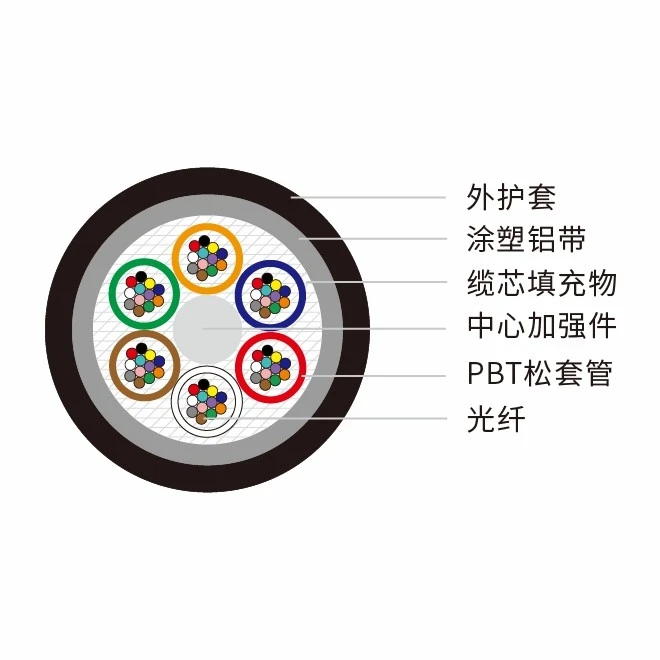
One of the most significant factors impacting the price of Fiber Drop Cable is the cost of raw materials. The primary components of Fiber Drop Cable include optical fibers, buffer tubes, strength members, and outer sheaths. The price of these materials can vary widely based on market conditions, availability, and quality.
Optical fibers are the heart of Fiber Drop Cable, and their cost is largely determined by the type of fiber used. Single-mode fibers, which are designed for long-distance transmission, are generally more expensive than multi-mode fibers, which are suitable for shorter distances. The purity and quality of the glass used in the fibers also play a role in their cost. Higher-quality fibers with lower attenuation and better signal transmission capabilities command a premium price.
Buffer tubes, which protect the optical fibers from mechanical stress and environmental factors, are typically made of plastic materials such as polypropylene or polyethylene. The cost of these materials can fluctuate based on the price of petroleum, as plastics are derived from petrochemicals. Additionally, the thickness and quality of the buffer tubes can affect their cost, with thicker and more durable tubes being more expensive.
Strength members, such as aramid yarns or steel wires, provide the cable with mechanical strength and protection. The cost of these materials depends on their type, quantity, and quality. Aramid yarns, which are lightweight and strong, are generally more expensive than steel wires. However, they offer better performance in terms of flexibility and resistance to corrosion.
The outer sheath of the Fiber Drop Cable protects the internal components from moisture, UV radiation, and physical damage. The material used for the outer sheath can vary, with common options including polyethylene, polyvinyl chloride (PVC), and polyurethane. The cost of the outer sheath material depends on its type, thickness, and quality. Polyethylene is a popular choice due to its low cost and good weather resistance, while PVC offers better fire resistance.
Manufacturing Processes
The manufacturing processes involved in producing Fiber Drop Cable also have a significant impact on its price. The complexity of the manufacturing process, the level of automation, and the quality control measures all contribute to the overall cost.
The production of optical fibers is a highly specialized and complex process that requires advanced technology and expertise. The cost of the equipment and materials used in fiber manufacturing, as well as the energy required to operate the production facilities, can be substantial. Additionally, the quality control measures implemented during the fiber manufacturing process are crucial to ensure the performance and reliability of the cables. These measures include testing for attenuation, bandwidth, and other optical properties, which add to the overall cost of production.
The assembly of the Fiber Drop Cable involves combining the optical fibers, buffer tubes, strength members, and outer sheath. This process can be labor-intensive, especially for cables with a large number of fibers or complex designs. The level of automation in the assembly process can also affect the cost, with more automated processes generally being more efficient and cost-effective.
Quality control is an essential part of the manufacturing process to ensure that the Fiber Drop Cable meets the required standards and specifications. This includes testing the cables for mechanical, optical, and environmental performance. The cost of quality control measures, such as testing equipment and personnel, can add to the overall price of the cable.
Market Demand and Supply
The market demand and supply for Fiber Drop Cable also play a crucial role in determining its price. When the demand for Fiber Drop Cable is high and the supply is limited, the price tends to increase. Conversely, when the supply exceeds the demand, the price may decrease.
The growth of the telecommunications industry, the increasing demand for high-speed internet, and the expansion of fiber optic networks are all factors that contribute to the growing demand for Fiber Drop Cable. As more businesses and consumers require faster and more reliable internet connections, the demand for Fiber Drop Cable is expected to continue to rise.
On the other hand, the supply of Fiber Drop Cable can be affected by various factors, such as the availability of raw materials, the production capacity of manufacturers, and the competition in the market. If there is a shortage of raw materials or if the production capacity is limited, the supply of Fiber Drop Cable may be restricted, leading to an increase in price.
Technological Advancements
Technological advancements in the field of fiber optics can also impact the price of Fiber Drop Cable. New technologies and materials can improve the performance and reliability of the cables, but they may also increase the cost of production.
For example, the development of new types of optical fibers with higher bandwidth and lower attenuation can enhance the performance of Fiber Drop Cable. However, these advanced fibers may be more expensive to produce due to the complex manufacturing processes and the use of high-quality materials.
Similarly, the use of new materials for the buffer tubes, strength members, and outer sheaths can improve the durability and environmental resistance of the cables. However, these materials may also be more costly than traditional materials.
Environmental and Regulatory Factors
Environmental and regulatory factors can also have an impact on the price of Fiber Drop Cable. The requirements for environmental protection, such as the use of eco-friendly materials and the reduction of waste, can increase the cost of production.
In addition, regulatory requirements for safety, performance, and quality can also add to the cost of Fiber Drop Cable. For example, cables used in certain applications, such as in buildings or industrial settings, may need to meet specific fire safety standards. Meeting these standards may require the use of special materials or manufacturing processes, which can increase the cost of the cables.
Conclusion
In conclusion, the price of Fiber Drop Cable is influenced by a variety of factors, including raw material costs, manufacturing processes, market demand and supply, technological advancements, and environmental and regulatory factors. As a supplier of Fiber Drop Cable, I understand the importance of these factors and strive to provide high-quality products at competitive prices.
If you're interested in purchasing Fiber Drop Cable, I encourage you to explore our Fiber Drop Cable product page to learn more about our offerings. We also offer Outdoor Fiber Optic Cable and Indoor Fiber Optic Cable to meet your specific needs.
If you have any questions or would like to discuss your requirements further, please don't hesitate to contact us. We're here to help you find the right Fiber Drop Cable solution for your project.

References
- "Fiber Optic Cable: Types, Applications, and Advantages." TechTarget.
- "The Economics of Fiber Optic Networks." Telecommunications Industry Association.
- "Fiber Optic Cable Manufacturing Processes." Fiber Optic Association.