



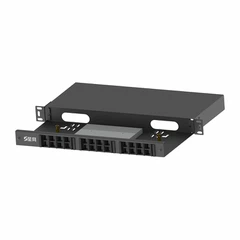

Composite panels are a remarkable innovation in the field of materials science, offering a wide range of properties that make them highly versatile and valuable in numerous applications. As a panel supplier, I have witnessed firsthand the growing demand for composite panels due to their unique characteristics. In this blog, I will delve into the key properties of composite panels and explore how they can benefit various industries.
1. High Strength - to - Weight Ratio
One of the most significant properties of composite panels is their high strength - to - weight ratio. Composite materials are typically made by combining two or more different materials, such as fibers (e.g., carbon fiber, glass fiber) and a matrix (e.g., resin). The fibers provide the strength, while the matrix holds the fibers together and distributes the load.
This high strength - to - weight ratio makes composite panels ideal for applications where weight reduction is crucial, such as in the aerospace and automotive industries. For example, in aircraft construction, using composite panels can significantly reduce the overall weight of the aircraft, leading to lower fuel consumption and increased efficiency. Similarly, in the automotive sector, composite panels can be used to make lighter body parts, improving the vehicle's performance and fuel economy.
2. Corrosion Resistance
Composite panels are highly resistant to corrosion. Unlike metals, which can rust and corrode when exposed to moisture, chemicals, or harsh environments, composite materials are inherently non - corrosive. This property makes them suitable for applications in marine, chemical, and outdoor settings.
In the marine industry, composite panels are used to build boats, ship hulls, and offshore structures. Their corrosion resistance ensures a longer lifespan and reduces the need for frequent maintenance. In chemical processing plants, composite panels can be used for storage tanks, piping, and other equipment that comes into contact with corrosive substances.
3. Design Flexibility
Composite panels offer a high degree of design flexibility. They can be molded into various shapes and sizes, allowing for customized solutions to meet specific project requirements. This flexibility enables designers and engineers to create complex and innovative structures that would be difficult or impossible to achieve with traditional materials.
For example, in the architecture and construction industry, composite panels can be used to create unique facades, partitions, and decorative elements. They can be fabricated with different textures, colors, and finishes to enhance the aesthetic appeal of a building. Additionally, composite panels can be easily cut, drilled, and joined, making them easy to install and integrate into existing structures.
4. Thermal Insulation
Composite panels have excellent thermal insulation properties. The combination of different materials in the panel helps to reduce heat transfer, making them effective in maintaining a comfortable indoor temperature. This property is particularly important in buildings, where energy efficiency is a major concern.
In residential and commercial buildings, composite panels can be used as wall, roof, and floor insulation. They can help to reduce heating and cooling costs by minimizing heat loss in the winter and heat gain in the summer. Moreover, the thermal insulation provided by composite panels can also improve the acoustic performance of a building by reducing noise transmission.
5. Electrical Insulation
Many composite panels offer good electrical insulation properties. This makes them suitable for applications in the electrical and electronics industries. For example, in the manufacturing of printed circuit boards (PCBs), composite materials are used as substrates due to their electrical insulation capabilities.
In addition, composite panels can be used in electrical enclosures and switchgear to prevent electrical shocks and short - circuits. Their electrical insulation properties ensure the safety and reliability of electrical systems.


6. Fire Resistance
Some composite panels are designed to have fire - resistant properties. These panels can help to prevent the spread of fire in buildings and other structures. They are often used in areas where fire safety is a critical concern, such as in commercial buildings, hospitals, and schools.
Fire - resistant composite panels are typically made with fire - retardant additives or materials that have a high ignition temperature. They can provide a certain level of fire protection for a specified period, giving occupants more time to evacuate in case of a fire.
7. Weather Resistance
Composite panels are highly resistant to weather conditions. They can withstand extreme temperatures, UV radiation, and moisture without significant degradation. This property makes them suitable for outdoor applications, such as in signage, outdoor furniture, and building facades.
In regions with harsh weather conditions, composite panels can maintain their structural integrity and appearance over time. They do not warp, crack, or fade easily, ensuring a long - lasting and attractive finish.
Applications of Composite Panels
The unique properties of composite panels make them suitable for a wide range of applications across different industries.
- Aerospace: As mentioned earlier, composite panels are widely used in the aerospace industry for aircraft components, such as wings, fuselages, and tail sections. Their high strength - to - weight ratio and corrosion resistance contribute to the performance and durability of aircraft.
- Automotive: In the automotive industry, composite panels are used for body parts, interior components, and engine covers. They help to reduce the weight of vehicles, improve fuel efficiency, and enhance the overall performance.
- Construction: Composite panels are used in construction for building facades, partitions, roofing, and insulation. Their design flexibility, thermal insulation, and weather resistance make them a popular choice for modern buildings.
- Marine: Composite panels are essential in the marine industry for boat building, ship hulls, and offshore structures. Their corrosion resistance and high strength make them suitable for the harsh marine environment.
- Electrical and Electronics: Composite panels are used in the electrical and electronics industries for PCBs, electrical enclosures, and switchgear due to their electrical insulation properties.
Where to Find Composite Panels
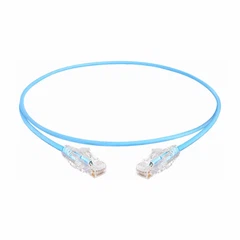
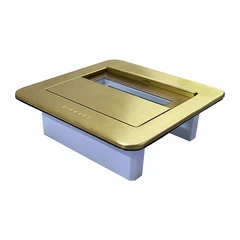
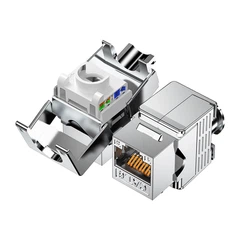
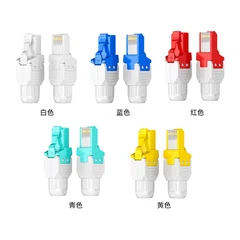
If you are looking for high - quality composite panels, you may be interested in our product range. We also offer other types of panels, such as Fiber Optic Patch Panel, Network Faceplate, and Floor Socket Panel. These products are designed to meet the specific needs of different industries and applications.
If you have any questions or would like to discuss your panel requirements, we encourage you to reach out to us. Our team of experts is ready to assist you in finding the right panel solutions for your project. Whether you are a small business or a large corporation, we can provide you with the products and support you need.
References
- Ashby, M. F., & Jones, D. R. H. (2012). Engineering Materials 1: An Introduction to Properties, Applications, and Design. Butterworth - Heinemann.
- Callister, W. D., & Rethwisch, D. G. (2014). Materials Science and Engineering: An Introduction. Wiley.
- Mallick, P. K. (2007). Fiber - Reinforced Composites: Materials, Manufacturing, and Design. CRC Press.