



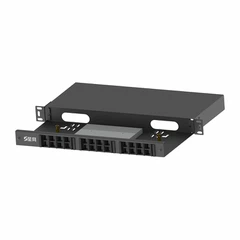

In the realm of modern telecommunications and data centers, the efficient management of fiber optic cables is imperative. Among the key components facilitating this management is the ODF Patch Panel. As a reputable supplier of ODF Patch Panels, I understand the critical importance of safety regulations when operating these essential devices. This blog post aims to comprehensively outline the safety regulations for operating an ODF Patch Panel, ensuring optimal performance and, most importantly, the safety of personnel.
1. Personal Protective Equipment (PPE)
Before embarking on any operation involving an ODF Patch Panel, it is crucial to don proper personal protective equipment. Safety glasses are a must-have as they protect the eyes from potential damage caused by fiber optic debris, dust, or accidental laser exposure. These debris can be generated when cutting, splicing, or terminating fiber optic cables.
In addition to safety glasses, gloves are also essential. They not only protect the hands from sharp edges on the patch panel or cable sheaths but also prevent the oils and dirt from the skin from contaminating the fiber optic connectors. Contaminated connectors can lead to signal loss and degradation, affecting the overall performance of the network.
2. Equipment Inspection
Prior to using an ODF Patch Panel, a thorough inspection of the equipment is necessary. Check for any signs of physical damage, such as cracks, dents, or loose parts. A damaged patch panel can compromise the integrity of the fiber optic connections and pose safety risks. For example, a cracked panel may expose the internal fiber optic cables, increasing the likelihood of accidental breakage or short - circuits.
Inspect the fiber optic connectors as well. Look for signs of wear, scratches, or contamination. Dirty or damaged connectors can cause high insertion loss and reflection, leading to poor signal quality. If any issues are found during the inspection, the damaged components should be replaced immediately.
3. Installation and Mounting
Proper installation and mounting of the ODF Patch Panel are fundamental to its safe and efficient operation. The patch panel should be installed in a well - ventilated area to prevent overheating. Overheating can damage the fiber optic components and reduce the lifespan of the patch panel.
When mounting the patch panel, ensure that it is securely fastened to the rack or wall. A loose patch panel can pose a physical hazard, as it may fall or move unexpectedly, potentially causing damage to the connected cables or injury to nearby personnel. Follow the manufacturer's installation instructions carefully to ensure correct positioning and alignment.


4. Cable Management
Effective cable management is not only essential for the organization and maintenance of the network but also for safety. Fiber optic cables should be neatly organized and routed to prevent tangling. Tangled cables can be difficult to manage, and during maintenance or troubleshooting, they may be accidentally pulled or damaged.
Use cable ties, clips, or trays to secure the cables in place. Avoid over - bending the fiber optic cables, as this can cause signal loss and even breakage. The minimum bend radius for fiber optic cables should be strictly adhered to, as specified by the cable manufacturer.
5. Static Electricity Prevention
Static electricity can be a significant threat to fiber optic components. When handling the ODF Patch Panel and fiber optic cables, take precautions to prevent static discharge. Use anti - static mats and wrist straps to dissipate static electricity. Static discharge can damage the sensitive electronic components within the patch panel, leading to malfunctions and data loss.
Before touching any of the components, discharge any static electricity from your body by touching a grounded object. This simple step can significantly reduce the risk of static - related damage.
6. Laser Safety
Many ODF Patch Panels are used in conjunction with laser - based fiber optic systems. Laser light can be extremely dangerous to the eyes, even at low power levels. When working with these systems, it is essential to follow strict laser safety regulations.
Never look directly into a fiber optic connector or cable end that may be transmitting laser light. Use appropriate laser safety goggles that are rated for the specific wavelength and power of the laser used in the system. Additionally, clearly label all laser - emitting ports to alert personnel of the potential hazard.
7. Maintenance and Cleaning
Regular maintenance and cleaning of the ODF Patch Panel are crucial for its long - term performance and safety. Dust and debris can accumulate on the connectors and within the panel, causing signal interference. Use a lint - free cloth and a suitable cleaning solution to clean the connectors.
During maintenance, also check for any loose connections or signs of wear. Tighten any loose screws or connectors to ensure a secure fit. Regularly inspect the cable management system to ensure that all cables are properly secured and routed.
8. Training and Certification
All personnel involved in the operation of ODF Patch Panels should receive proper training. Training should cover the installation, maintenance, and troubleshooting of the patch panel, as well as safety regulations. A well - trained workforce is more likely to operate the equipment safely and effectively.
Obtaining relevant certifications, such as those related to fiber optic installation and maintenance, can further enhance the skills and knowledge of the personnel. These certifications demonstrate a commitment to safety and quality in the operation of ODF Patch Panels.
9. Emergency Preparedness
Despite taking all necessary safety precautions, emergencies can still occur. It is essential to have an emergency preparedness plan in place. This plan should include procedures for dealing with fires, electrical shocks, or other accidents.
Ensure that fire extinguishers and first - aid kits are readily available in the area where the ODF Patch Panel is located. All personnel should be trained on how to use these emergency equipment and follow the emergency procedures.
Conclusion and Call to Action
Operating an ODF Patch Panel safely is of utmost importance for both the integrity of the network and the well - being of personnel. By adhering to the safety regulations outlined in this blog post, you can ensure a safe and efficient working environment.
At our company, we are committed to providing high - quality ODF Patch Panel that meet the highest safety and performance standards. Our 24 Port Fiber Distribution Panel and MPO Fiber Optic Patch Panel are designed with safety in mind, featuring robust construction and reliable components.
If you are in the market for ODF Patch Panels or have any questions about our products, we encourage you to reach out to us for a detailed discussion. Our team of experts is ready to assist you in finding the right solution for your specific needs.
References
- Fiber Optic Association (FOA). Fiber Optic Installation and Maintenance Handbook.
- International Electrotechnical Commission (IEC). Standards for Fiber Optic Equipment.
- Telecommunications Industry Association (TIA). Guidelines for Data Center Cabling and Equipment.