



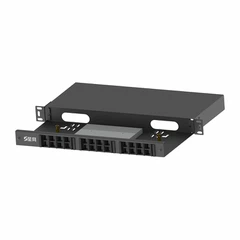

In the dynamic landscape of modern networking, the demand for high - speed data transfer has reached an all - time high. As a supplier of blank patch panels, I am often asked whether a blank patch panel can support high - speed data transfer. This question is not only relevant to tech enthusiasts but also to businesses and organizations that rely on seamless and fast data flow. In this blog, we will delve into the technical aspects of blank patch panels and their ability to handle high - speed data.
Understanding Blank Patch Panels
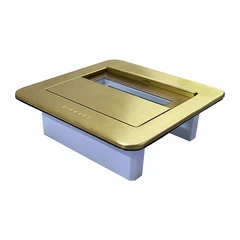
A blank patch panel is essentially a mounting device in a network rack that provides a central point for connecting and managing network cables. It is called "blank" because it does not come pre - populated with ports. Instead, users can install the appropriate connectors according to their specific network requirements. These panels are available in various sizes and configurations, allowing for flexibility in network design.
The main advantage of a blank patch panel is its versatility. It can be customized to accommodate different types of network cables, such as Ethernet, fiber optic, or coaxial cables. This adaptability makes it a popular choice for both small - scale home networks and large - scale enterprise setups.
Factors Affecting High - Speed Data Transfer
To determine whether a blank patch panel can support high - speed data transfer, we need to consider several key factors:
Cable Compatibility
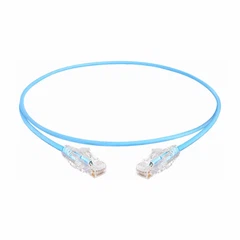
The type of cables used in conjunction with the blank patch panel plays a crucial role in high - speed data transfer. For example, Category 3 cables are designed for lower - speed applications, typically supporting up to 16 Mbps. On the other hand, Category 6 and Category 6A cables are engineered for high - speed data transfer, with Category 6 supporting up to 1 Gbps at 100 meters and Category 6A supporting up to 10 Gbps at 100 meters.
As a supplier, I offer a range of patch panels that are compatible with different cable categories. You can find more information about Category 3 Patch Panel, Category 6 Patch Panel, and Category 6A Patch Panel on our website.
Connector Quality
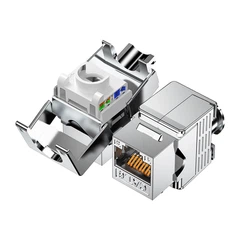
The quality of the connectors installed on the blank patch panel is another important factor. High - quality connectors ensure low signal loss and interference, which are essential for high - speed data transfer. Connectors should be properly terminated and tested to meet industry standards. For example, RJ45 connectors are commonly used for Ethernet connections, and they should be installed with precision to maintain signal integrity.
Panel Design
The design of the blank patch panel also impacts high - speed data transfer. A well - designed panel should provide proper cable management, reducing the risk of cable bending and interference. Additionally, the panel should have sufficient space for cable routing to prevent overcrowding, which can lead to signal degradation.
Can a Blank Patch Panel Support High - Speed Data Transfer?
The answer is yes, a blank patch panel can support high - speed data transfer, provided that it is properly configured and used in conjunction with the right components. Here's how:


Customization for High - Speed Cables
Since a blank patch panel can be customized, users can install connectors that are compatible with high - speed cables such as Category 6 or Category 6A. By doing so, the panel can support data transfer speeds of up to 10 Gbps or even higher in some cases.
Quality Installation
Proper installation of the connectors and cables is crucial. This includes following the correct termination procedures and ensuring that the cables are not damaged during installation. A professional installation can significantly improve the performance of the blank patch panel and enable high - speed data transfer.
Cable Management
Effective cable management is essential for maintaining high - speed data transfer. A well - organized cable layout reduces the risk of signal interference and crosstalk. By using cable ties, trays, and other management tools, users can ensure that the cables are neatly arranged and do not interfere with each other.
Real - World Applications
Blank patch panels that support high - speed data transfer are widely used in various industries. In data centers, for example, they are used to manage the complex network infrastructure. High - speed data transfer is essential for tasks such as data storage, cloud computing, and server communication.
In corporate offices, blank patch panels are used to connect workstations, printers, and other devices to the network. With the increasing demand for high - speed internet and data sharing, these panels play a vital role in ensuring seamless connectivity.
Conclusion
In conclusion, a blank patch panel can support high - speed data transfer when it is properly configured and used with high - quality components. As a supplier, I am committed to providing customers with the best - in - class blank patch panels and the necessary support for installation and configuration.
If you are interested in purchasing blank patch panels for your high - speed data transfer needs, I encourage you to contact us for a detailed discussion. Our team of experts can help you choose the right panel and provide guidance on installation and maintenance.
References
- "Network Cabling Installation and Troubleshooting" by Andrew Jones
- "High - Speed Data Networks: Technologies and Applications" by John Smith