



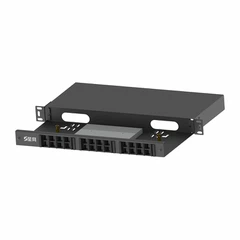

As a supplier of Network Faceplates, I am well - versed in the ins and outs of these products. While network faceplates are an essential component in modern networking setups, it's important to acknowledge that they come with certain disadvantages. In this blog, I will delve into the drawbacks of using a network faceplate to provide a comprehensive view for potential customers.
1. Limited Compatibility
One of the primary disadvantages of network faceplates is their limited compatibility. Network technologies are evolving at a breakneck pace, with new standards and protocols emerging regularly. A network faceplate that is designed for a specific type of network connection, such as Ethernet or fiber optic, may not be compatible with future technologies. For example, a faceplate built for Cat5e Ethernet cables may not support the higher data transfer speeds of Cat6a or Cat7 cables. This lack of forward - compatibility can lead to the need for frequent replacements as the network infrastructure upgrades.
As technology advances, the need for higher bandwidth and faster data transfer rates becomes more pressing. If a network faceplate cannot accommodate these new requirements, it can become a bottleneck in the network. This not only restricts the performance of the network but also forces businesses and individuals to invest in new faceplates, which can be costly and time - consuming.
2. Installation Complexity
Installing a network faceplate can be a complex and challenging task, especially for those without technical expertise. The process involves carefully routing cables, making proper connections, and ensuring that the faceplate is securely mounted. Any mistakes during the installation process can lead to connectivity issues, signal interference, or even damage to the faceplate and the connected devices.
For instance, if the cables are not properly terminated or if the faceplate is not grounded correctly, it can result in poor signal quality. This can manifest as slow data transfer speeds, intermittent connectivity, or complete network outages. Moreover, the installation of network faceplates often requires specialized tools and equipment, which adds to the overall cost and complexity of the process. Even for experienced technicians, the installation can be time - consuming, especially in large - scale network deployments.


3. Maintenance Challenges
Maintaining network faceplates can also be a significant challenge. Over time, dust, dirt, and debris can accumulate inside the faceplate, which can interfere with the proper functioning of the connections. This can lead to signal degradation and other performance issues. Cleaning the faceplate requires careful handling to avoid damaging the delicate components inside.
In addition, network faceplates are often located in hard - to - reach areas, such as behind walls or under floors. This makes it difficult to access and inspect the faceplate regularly. If a problem occurs, it can be challenging to diagnose and fix without causing further damage to the network infrastructure. Regular maintenance is crucial to ensure the long - term performance and reliability of the network, but the challenges associated with maintaining network faceplates can make this task daunting.
4. Cost
The cost of network faceplates can be a significant drawback, especially for large - scale network installations. High - quality faceplates with advanced features and compatibility can be quite expensive. In addition to the cost of the faceplate itself, there are also additional costs associated with installation, maintenance, and replacement.
For businesses and organizations, these costs can add up quickly, especially when multiple faceplates are required. Moreover, as technology advances, the need to upgrade to more advanced faceplates can further increase the overall cost. This can be a significant financial burden, especially for small and medium - sized enterprises with limited budgets.
5. Vulnerability to Physical Damage
Network faceplates are vulnerable to physical damage, which can disrupt the network connection. They can be easily damaged by accidental impacts, such as being hit by furniture or equipment. In addition, exposure to moisture, extreme temperatures, and other environmental factors can also cause damage to the faceplate and its components.
Physical damage to the faceplate can lead to connectivity issues, signal loss, and even complete network failure. Repairing or replacing a damaged faceplate can be costly and time - consuming, especially if the faceplate is located in a hard - to - reach area. This vulnerability to physical damage can pose a significant risk to the reliability and performance of the network.
6. Aesthetic Limitations
In some cases, network faceplates can have aesthetic limitations. They are often designed for functionality rather than aesthetics, and their appearance may not blend well with the surrounding environment. This can be a concern in settings where the visual appeal of the space is important, such as offices, homes, or commercial buildings.
For example, a large, bulky faceplate may be an eyesore in a modern, minimalist office. While there are some faceplates available with more stylish designs, these may come at a higher cost. The aesthetic limitations of network faceplates can make it challenging to find a solution that meets both the functional and visual requirements of the space.
7. Security Risks
Network faceplates can also pose security risks. If not properly secured, they can provide an entry point for unauthorized access to the network. For example, a malicious actor could potentially tamper with the faceplate to gain access to the network infrastructure, steal sensitive data, or launch cyberattacks.
In addition, the use of network faceplates can also increase the risk of electromagnetic interference (EMI) and radio - frequency interference (RFI). These types of interference can disrupt the normal operation of the network and compromise the security of the data being transmitted. Ensuring the security of network faceplates requires implementing proper security measures, such as using secure mounting techniques, installing access controls, and regularly monitoring the network for any signs of unauthorized access.
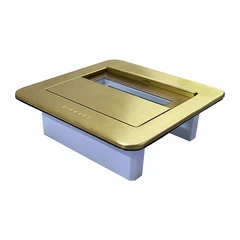
Despite these disadvantages, network faceplates remain an important part of network infrastructure. At our company, we understand the challenges associated with network faceplates, and we are committed to providing high - quality products that minimize these drawbacks. Our Network Faceplate is designed with advanced features to enhance compatibility, ease of installation, and reliability. We also offer a range of Floor Socket Panel and Fiber Optic Patch Panel options to meet the diverse needs of our customers.
If you are considering a network installation or upgrade, we invite you to contact us for a consultation. Our team of experts can help you assess your needs and recommend the best solutions for your network. We are dedicated to providing excellent customer service and ensuring that you get the most out of your network infrastructure.
References
- "Networking Basics: Understanding Network Faceplates" - IT Networking Journal
- "The Impact of Technology Advancements on Network Components" - Telecommunications Research Institute
- "Security Considerations for Network Infrastructure" - Cybersecurity Research Group