



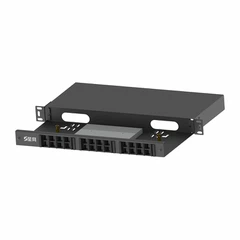

When it comes to installing fiber optic pigtails in a harsh environment, there are numerous factors that need to be carefully considered. As a supplier of fiber optic pigtails, I have witnessed firsthand the challenges and intricacies involved in such installations. In this blog post, I will delve into the key installation considerations for fiber optic pigtails in harsh environments, providing valuable insights for those involved in the process.
Environmental Conditions
The first and perhaps most crucial consideration is the environmental conditions of the installation site. Harsh environments can vary widely, from extreme temperatures and high humidity to dusty or corrosive atmospheres. Each of these conditions can have a significant impact on the performance and longevity of fiber optic pigtails.
Temperature
Extreme temperatures can cause the materials used in fiber optic pigtails to expand or contract, leading to potential damage or signal loss. For example, in high - temperature environments, the plastic components of the pigtail may soften, affecting the alignment of the fiber and increasing the risk of breakage. Conversely, in low - temperature environments, the materials may become brittle and more prone to cracking.


When installing fiber optic pigtails in temperature - extreme areas, it is essential to choose pigtails that are designed to withstand the specific temperature range. Our LC Fiber Pigtail, ST Fiber Pigtail, and FC Fiber Pigtail are available in versions that can operate in a wide range of temperatures, ensuring reliable performance even in the most challenging conditions.
Humidity
High humidity can lead to moisture ingress into the fiber optic pigtails, which can cause corrosion of the connectors and degradation of the fiber itself. Moisture can also create a conductive path, increasing the risk of electrical interference and signal loss.
To combat the effects of humidity, it is important to use pigtails with proper sealing and moisture - resistant materials. Additionally, installing the pigtails in protective enclosures can help prevent direct exposure to moisture. Our fiber optic pigtails are designed with high - quality seals and coatings to minimize the impact of humidity on performance.
Dust and Corrosive Atmospheres
Dusty environments can cause abrasion and contamination of the fiber optic connectors, leading to increased insertion loss and reduced signal quality. Corrosive atmospheres, on the other hand, can eat away at the metal components of the pigtails, compromising their integrity.
In such environments, it is crucial to use pigtails with protective boots and caps to prevent dust from entering the connectors. For corrosive atmospheres, choosing pigtails with corrosion - resistant materials is essential. Our products are engineered to withstand these harsh conditions, ensuring long - term reliability.
Mechanical Stress
Harsh environments often subject fiber optic pigtails to significant mechanical stress. This can include vibration, bending, and pulling forces, all of which can damage the fiber and affect signal transmission.
Vibration
Vibration can cause the fiber to move within the pigtail, leading to micro - bending and signal loss. In industrial settings or areas with heavy machinery, vibration is a common issue. To mitigate the effects of vibration, it is important to secure the pigtails properly using cable ties or mounting brackets. Our fiber optic pigtails are designed to be flexible yet sturdy, reducing the risk of damage from vibration.
Bending
Excessive bending of the fiber can cause light to leak out of the core, resulting in increased attenuation. When installing fiber optic pigtails, it is important to follow the recommended minimum bend radius. Our pigtails are designed with a specified minimum bend radius to ensure optimal performance. Care should be taken during installation to avoid sharp bends or kinks in the fiber.
Pulling Forces
Pulling forces can cause the fiber to break or become misaligned within the pigtail. When installing pigtails, it is important to use proper pulling techniques and avoid over - tensioning the cable. Our pigtails are tested to withstand a certain amount of pulling force, but it is still crucial to handle them with care during installation.
Installation Location
The location where the fiber optic pigtails are installed also plays a significant role in their performance.
Accessibility
The installation location should be easily accessible for maintenance and troubleshooting. In a harsh environment, it is likely that the pigtails may need to be inspected or replaced periodically. Ensuring that the installation site is accessible can save time and effort in the long run.
Protection from Physical Damage
The pigtails should be installed in a location where they are protected from physical damage. This can include avoiding areas where they may be stepped on, hit by equipment, or otherwise damaged. Using protective conduits or trays can help safeguard the pigtails from physical harm.
Connector Compatibility
Another important consideration is the compatibility of the fiber optic connectors. In a harsh environment, it is crucial to choose connectors that are designed to withstand the specific conditions.
Connector Type
There are several types of fiber optic connectors available, including LC, ST, and FC. Each type has its own advantages and disadvantages, and the choice of connector will depend on the specific requirements of the installation. Our LC Fiber Pigtail, ST Fiber Pigtail, and FC Fiber Pigtail are all designed to provide reliable performance in harsh environments.
Connector Quality
The quality of the connectors is also crucial. Low - quality connectors can have higher insertion loss and are more prone to damage. Our fiber optic connectors are manufactured to strict quality standards, ensuring low insertion loss and high reliability.
Testing and Certification
After installation, it is essential to test the fiber optic pigtails to ensure that they are functioning properly. This can include testing for insertion loss, return loss, and bandwidth. Additionally, obtaining certification for the installation can provide assurance that the pigtails meet the required standards.
Testing Equipment
Using high - quality testing equipment is crucial for accurate results. Our company can provide guidance on the appropriate testing equipment and procedures to ensure that the fiber optic pigtails are performing optimally.
Certification
Certification can be obtained from independent testing laboratories or industry - recognized organizations. Having a certified installation can help demonstrate compliance with industry standards and provide peace of mind to the end - user.
Conclusion
Installing fiber optic pigtails in a harsh environment requires careful consideration of various factors, including environmental conditions, mechanical stress, installation location, connector compatibility, and testing and certification. As a supplier of fiber optic pigtails, we understand the challenges involved in such installations and are committed to providing high - quality products that can withstand these harsh conditions.
If you are in need of fiber optic pigtails for a harsh environment installation, we invite you to contact us for more information. Our team of experts can provide you with detailed product specifications, installation guidance, and support to ensure a successful installation. We look forward to discussing your requirements and helping you find the best solution for your fiber optic needs.
References
- "Fiber Optic Communication Systems" by Govind P. Agrawal
- "Handbook of Fiber Optics: Second Edition" by R. Ramaswami, K. N. Sivarajan, and G. Sasaki
- Industry standards and guidelines for fiber optic installation in harsh environments.