


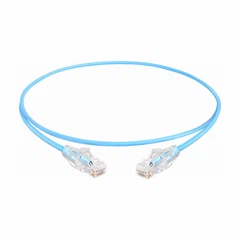
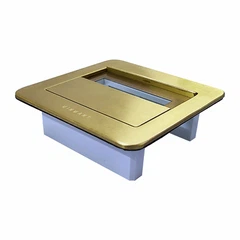
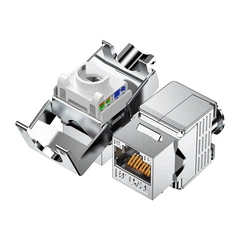
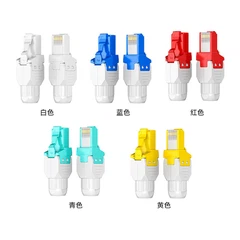

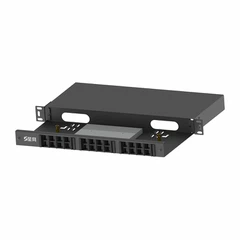

In the realm of network infrastructure, patch panels play a pivotal role in ensuring efficient cable management and seamless data transmission. As a leading supplier of network patch panels, I've witnessed firsthand the evolving needs of businesses and the significance of choosing the right patch panel for their network setups. One of the most common questions I encounter is the difference between a patch panel with integrated cable management and one without. In this blog post, I'll delve into the nuances of both types, highlighting their features, benefits, and use cases to help you make an informed decision for your network.
Understanding Patch Panels
Before we explore the differences, let's first understand what a patch panel is. A patch panel is a device that provides a centralized point for the termination and organization of network cables. It serves as an interface between the incoming network cables from the service provider or other network devices and the outgoing cables that connect to individual workstations, servers, or other network equipment. Patch panels are available in various types and categories, including Category 6 Patch Panel, Category 5e Patch Panel, and Category 6A Patch Panel, each designed to support different network speeds and bandwidth requirements.
Patch Panel without Integrated Cable Management
A patch panel without integrated cable management is a basic, traditional patch panel that consists of a panel with multiple ports for terminating network cables. These ports are typically arranged in a row or a grid pattern, allowing for easy connection and disconnection of patch cables. While these patch panels are simple and cost-effective, they lack built-in features for cable organization and management.
Features
- Basic Design: These patch panels have a straightforward design, with ports for cable termination and no additional components for cable management.
- Cost-Effective: They are generally less expensive than patch panels with integrated cable management, making them a popular choice for budget-conscious projects.
- Flexibility: Without the constraints of built-in cable management features, users have more flexibility in how they route and manage their cables.
Benefits
- Simplicity: The simple design of these patch panels makes them easy to install and use, especially for small-scale networks or DIY projects.
- Customization: Users can customize the cable management according to their specific needs and preferences, using external cable management solutions such as cable ties, raceways, or cable trays.
Use Cases
- Small Networks: Patch panels without integrated cable management are suitable for small networks with a limited number of cables and simple cable routing requirements.
- Temporary Installations: They are also a good option for temporary installations or test environments where cost and simplicity are the primary considerations.
Patch Panel with Integrated Cable Management
A patch panel with integrated cable management, on the other hand, is a more advanced and sophisticated solution that combines the functionality of a patch panel with built-in features for cable organization and management. These features are designed to simplify cable installation, reduce cable clutter, and improve the overall aesthetics and performance of the network.
Features
- Built-in Cable Management: These patch panels come with integrated cable management features such as cable guides, cable managers, and strain relief mechanisms, which help to organize and route cables neatly and efficiently.
- Enhanced Aesthetics: The integrated cable management features help to keep the cables organized and out of sight, resulting in a cleaner and more professional-looking network installation.
- Improved Performance: By reducing cable clutter and ensuring proper cable routing, these patch panels can help to minimize signal interference and improve the overall performance of the network.
Benefits
- Ease of Installation: The built-in cable management features make it easier to install and terminate cables, reducing the time and effort required for network installation.
- Reduced Maintenance: With organized cables, it is easier to identify and troubleshoot cable issues, reducing the time and cost required for network maintenance.
- Scalability: Patch panels with integrated cable management are designed to accommodate future network expansion, making them a more scalable solution for growing businesses.
Use Cases
- Large Networks: These patch panels are ideal for large networks with a high density of cables and complex cable routing requirements.
- Data Centers: In data centers, where space is limited and cable management is critical, patch panels with integrated cable management are essential for maintaining a clean and efficient network infrastructure.
Key Differences
Now that we've explored the features, benefits, and use cases of both types of patch panels, let's summarize the key differences between a patch panel with integrated cable management and one without.
Cable Organization
- Patch Panel without Integrated Cable Management: Requires external cable management solutions to organize and route cables, which can be time-consuming and may result in a less organized appearance.
- Patch Panel with Integrated Cable Management: Comes with built-in cable management features that simplify cable installation and organization, resulting in a cleaner and more professional-looking network installation.
Aesthetics
- Patch Panel without Integrated Cable Management: Can result in a cluttered and unprofessional-looking network installation, especially in environments with a high density of cables.
- Patch Panel with Integrated Cable Management: Helps to keep the cables organized and out of sight, improving the overall aesthetics of the network installation.
Performance
- Patch Panel without Integrated Cable Management: May be more prone to signal interference and performance issues due to cable clutter and improper cable routing.
- Patch Panel with Integrated Cable Management: By reducing cable clutter and ensuring proper cable routing, these patch panels can help to minimize signal interference and improve the overall performance of the network.
Cost
- Patch Panel without Integrated Cable Management: Generally less expensive than patch panels with integrated cable management, making them a popular choice for budget-conscious projects.
- Patch Panel with Integrated Cable Management: More expensive than basic patch panels, but the additional cost is often justified by the improved cable management, aesthetics, and performance.
Scalability
- Patch Panel without Integrated Cable Management: May require additional cable management solutions as the network grows, which can be costly and time-consuming.
- Patch Panel with Integrated Cable Management: Designed to accommodate future network expansion, making them a more scalable solution for growing businesses.
Choosing the Right Patch Panel
When choosing a patch panel for your network, it's important to consider your specific needs and requirements. Here are some factors to consider:


Network Size and Complexity
- Small Networks: If you have a small network with a limited number of cables and simple cable routing requirements, a patch panel without integrated cable management may be sufficient.
- Large Networks: For large networks with a high density of cables and complex cable routing requirements, a patch panel with integrated cable management is recommended.
Budget
- Budget-Conscious: If cost is a major concern, a patch panel without integrated cable management may be a more affordable option.
- Long-Term Investment: If you're willing to invest in a high-quality, scalable solution, a patch panel with integrated cable management is worth considering.
Future Expansion
- Limited Growth: If you don't anticipate significant network growth in the future, a basic patch panel may be sufficient.
- Scalable Solution: If you expect your network to grow over time, a patch panel with integrated cable management is a better choice, as it can accommodate future expansion without the need for additional cable management solutions.
Conclusion
In conclusion, the difference between a patch panel with integrated cable management and one without lies in their design, features, and functionality. While patch panels without integrated cable management are simple and cost-effective, they require external cable management solutions to organize and route cables. On the other hand, patch panels with integrated cable management offer built-in features for cable organization and management, resulting in a cleaner, more professional-looking network installation and improved performance. When choosing a patch panel for your network, it's important to consider your specific needs and requirements, including network size, complexity, budget, and future expansion plans.
If you're in the market for a network patch panel and need further assistance, feel free to reach out to our team of experts. We're here to help you choose the right patch panel for your network and ensure a seamless installation. Contact us today to start the procurement process and take your network infrastructure to the next level.
References
- "Network Cabling Installation and Troubleshooting" by Andrew S. Tanenbaum
- "Cisco Networking Academy's CCNA Exploration: Network Fundamentals" by Cisco Systems