


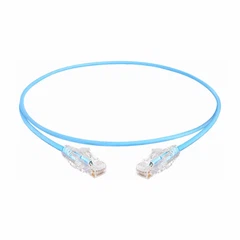
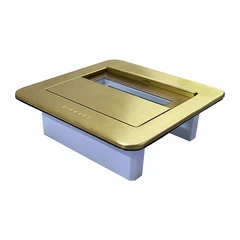
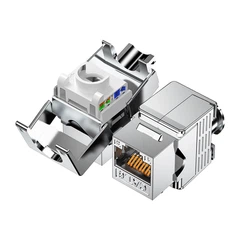
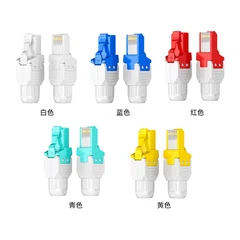

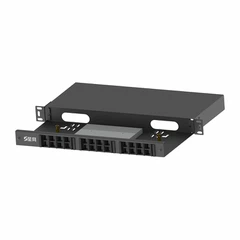

Patchers, as a crucial circuit connection component, are widely used in circuit testing, repair, and modification. They consist of an insulated outer sheath encasing internal metal wires, ensuring conductivity while providing necessary insulation protection. The following are the detailed steps and precautions for wiring jumpers:
Determine the wiring location: First, identify the specific points in the circuit that need to be connected. These are the starting and ending points of the jumper wiring.
Preparing the patch cord: Select patch cords of appropriate length, specifications, and color according to circuit requirements. Ensure the patch cords can withstand the current and voltage in the circuit to avoid overload risks.
Removing the insulation: Using wire strippers, carefully strip the insulation from both ends of the patch cord to expose a sufficient length of bare metal wire for connection.
Connecting the wires: Connect the exposed metal wires to the corresponding points in the circuit. For a more secure connection, use a screwdriver or electrician's knife to press the wires firmly onto the terminals.
Insulation Treatment: After connection, wrap exposed parts with insulating sleeves to prevent electric shock or short circuits. Ensure the insulating sleeves fit tightly against the wire surface for comprehensive protection.
Inspection and Testing: Finally, carefully inspect the wiring and test the circuit to ensure it functions correctly. Ensure all connections are correct and the circuit performance is stable.